
This Himalayan trekking guide will help you plan an unforgettable adventure in the mountains.Trekking in the Himalayas is an unforgettable experience for adventure lovers and nature enthusiasts. From snow-covered peaks and peaceful mountain villages to breathtaking trails and rich local cultures, the Himalayas offer some of the world's most spectacular trekking experiences. This guide will help you discover the best Himalayan trekking destinations, preparation tips, the best time to visit, and essential things to know before your adventure.
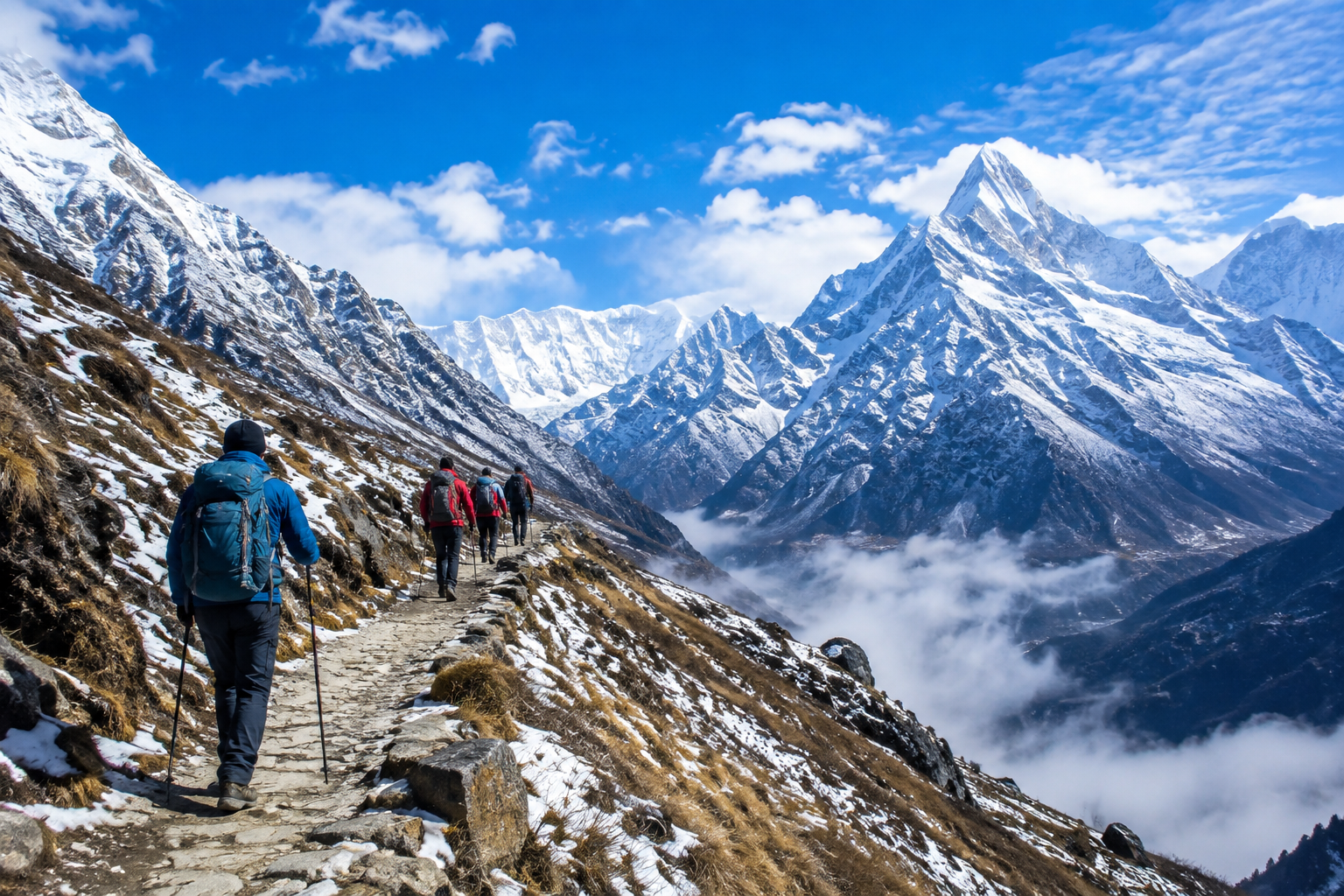
Why Trek in the Himalayas?
The Himalayas offer a unique combination of dramatic landscapes, challenging trails, peaceful mountain villages, and unforgettable cultural experiences. Trekking here allows you to explore remote valleys, walk through forests and high-altitude landscapes, and experience the natural beauty of some of the world's highest mountains.
Best Trekking Destinations in the Himalayas
Everest Base Camp Trek, Nepal
The Everest Base Camp Trek is one of the most iconic Himalayan trekking experiences. The route takes you through beautiful Sherpa villages, ancient monasteries, suspension bridges, and dramatic mountain landscapes, with spectacular views of Mount Everest. It is a challenging trek that rewards hikers with unforgettable scenery and a strong sense of adventure.This Himalayan trekking guide also highlights the essential gear you should prepare before your journey.
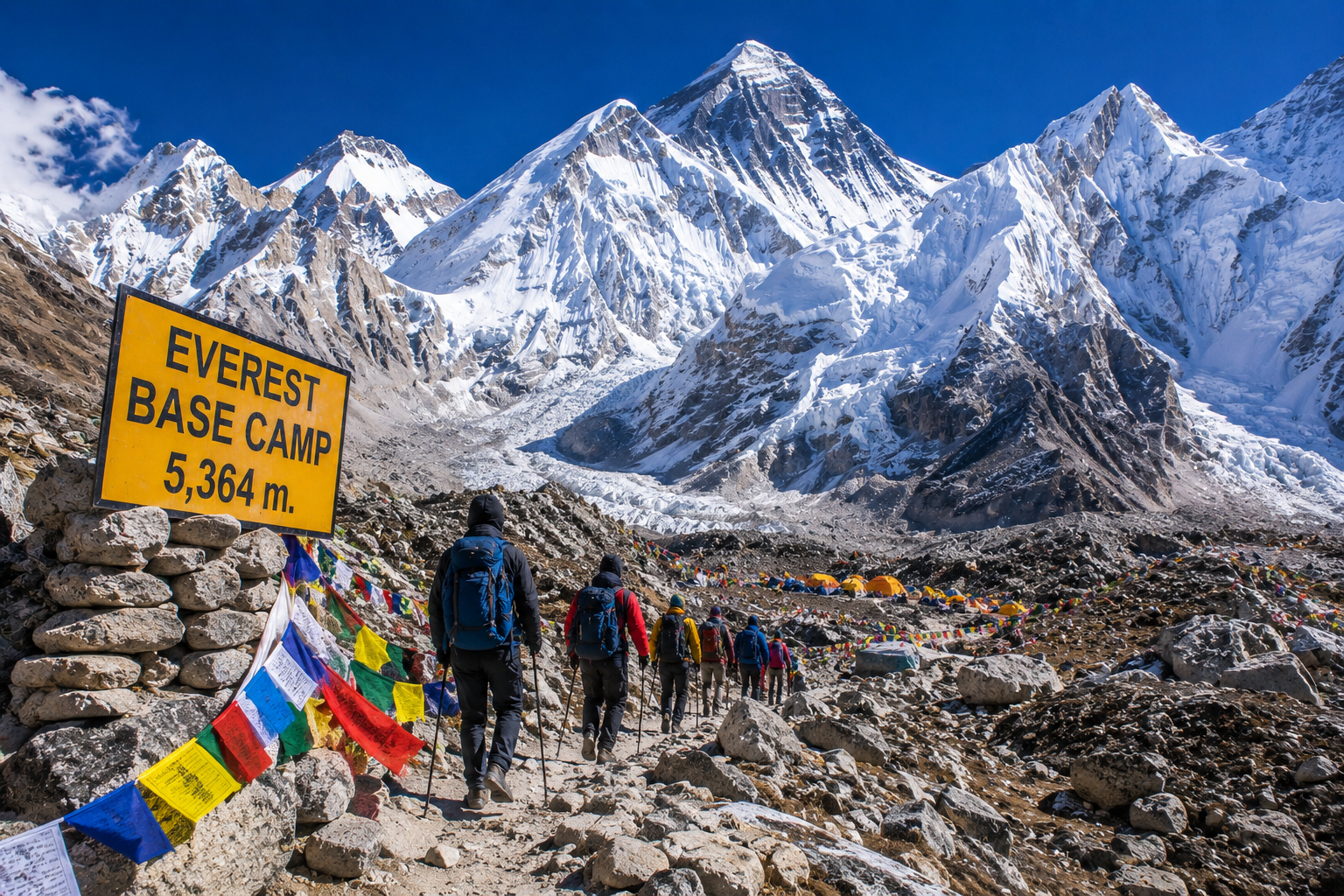
Everest Base Camp Trek in Nepal
Annapurna Circuit Trek, Nepal
The Annapurna Circuit Trek is famous for its diverse landscapes, from lush green valleys and traditional villages to high mountain passes and spectacular Himalayan peaks. The trek offers an incredible mix of natural beauty and local culture, making it one of Nepal's most rewarding trekking routes.
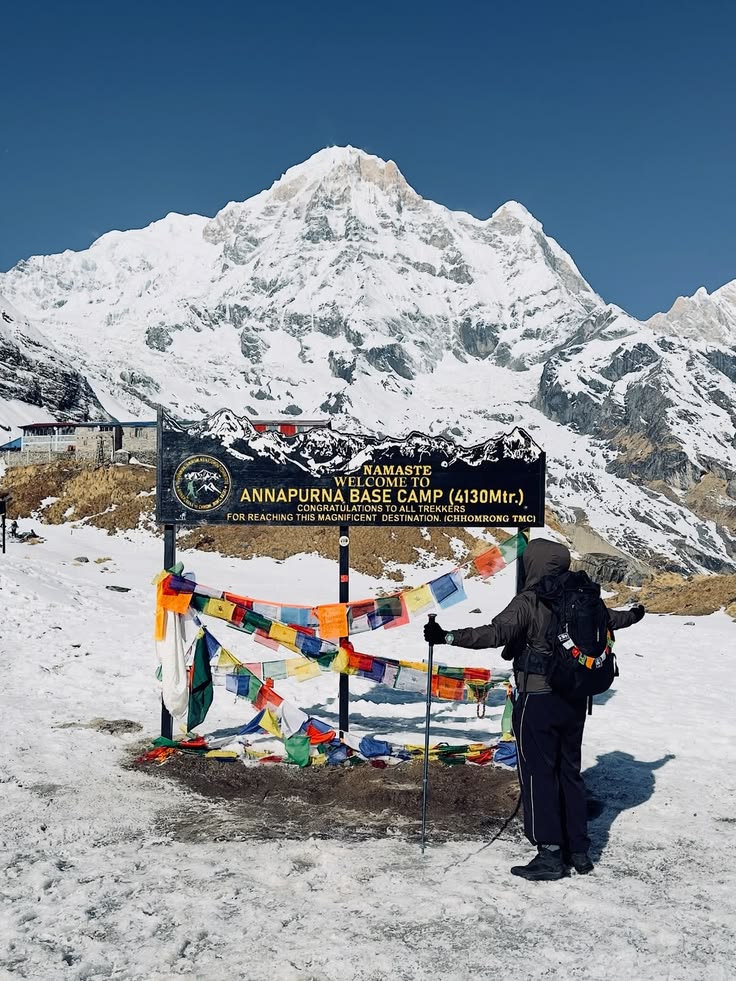
Annapurna Circuit Trek in Nepal
Markha Valley Trek, Ladakh
The Markha Valley Trek is one of the most scenic trekking routes in Ladakh. The trail passes through remote villages, dramatic valleys, Buddhist monasteries, and high mountain passes, offering an unforgettable combination of adventure, culture, and Himalayan landscapes.
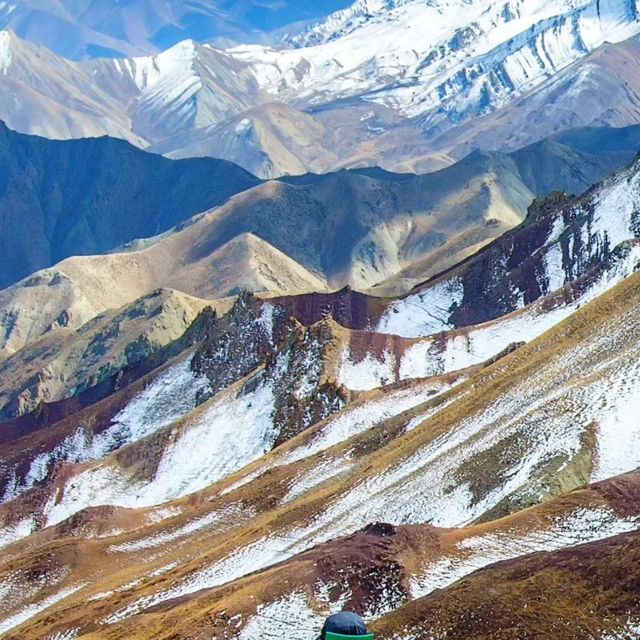
Markha Valley Trek in Ladakh
Valley of Flowers Trek, Uttarakhand
The Valley of Flowers Trek in Uttarakhand is known for its colorful alpine meadows, Himalayan scenery, and diverse mountain flora. During the flowering season, the valley becomes especially beautiful, making this trek a memorable experience for nature lovers and adventure seekers.
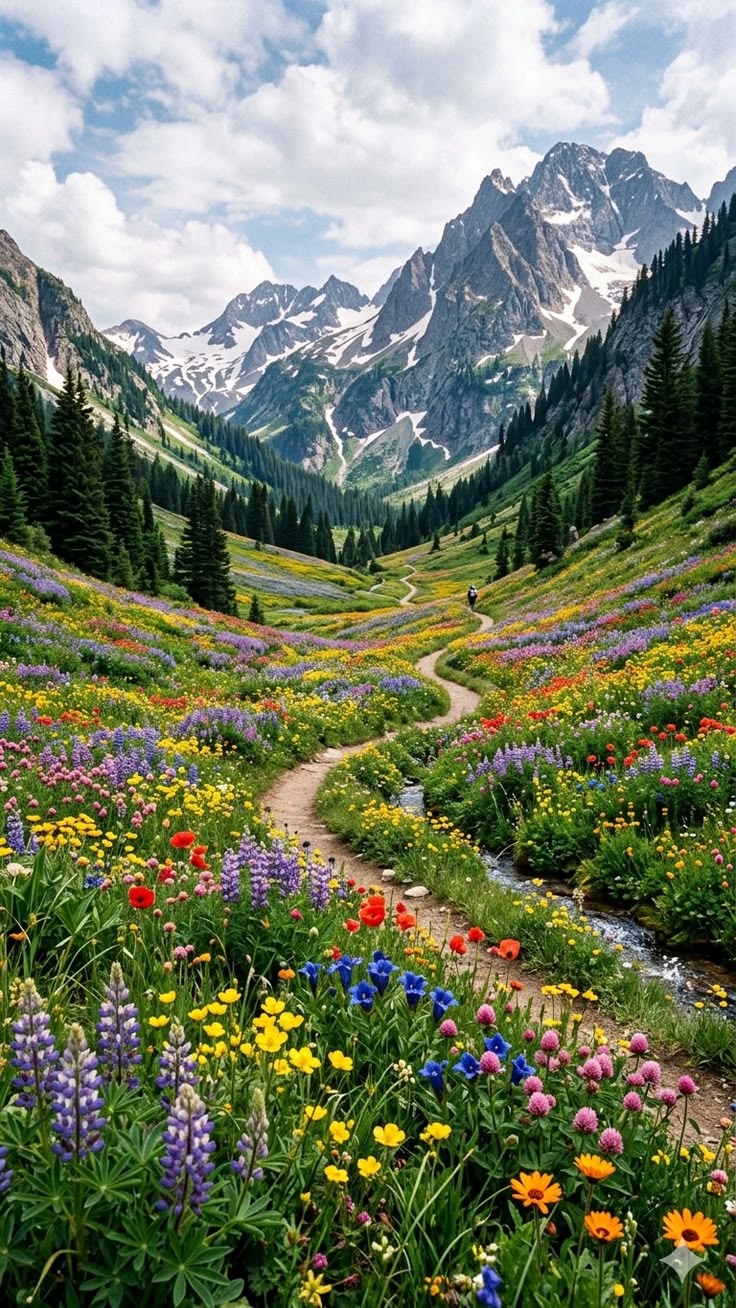
Valley of Flowers Trek in Uttarakhand
Goechala Trek, Sikkim
The Goechala Trek in Sikkim is a spectacular Himalayan adventure known for its close-up views of Kanchenjunga and surrounding mountain peaks. The trail passes through forests, alpine meadows, and high-altitude landscapes, offering trekkers a memorable combination of natural beauty and adventure.
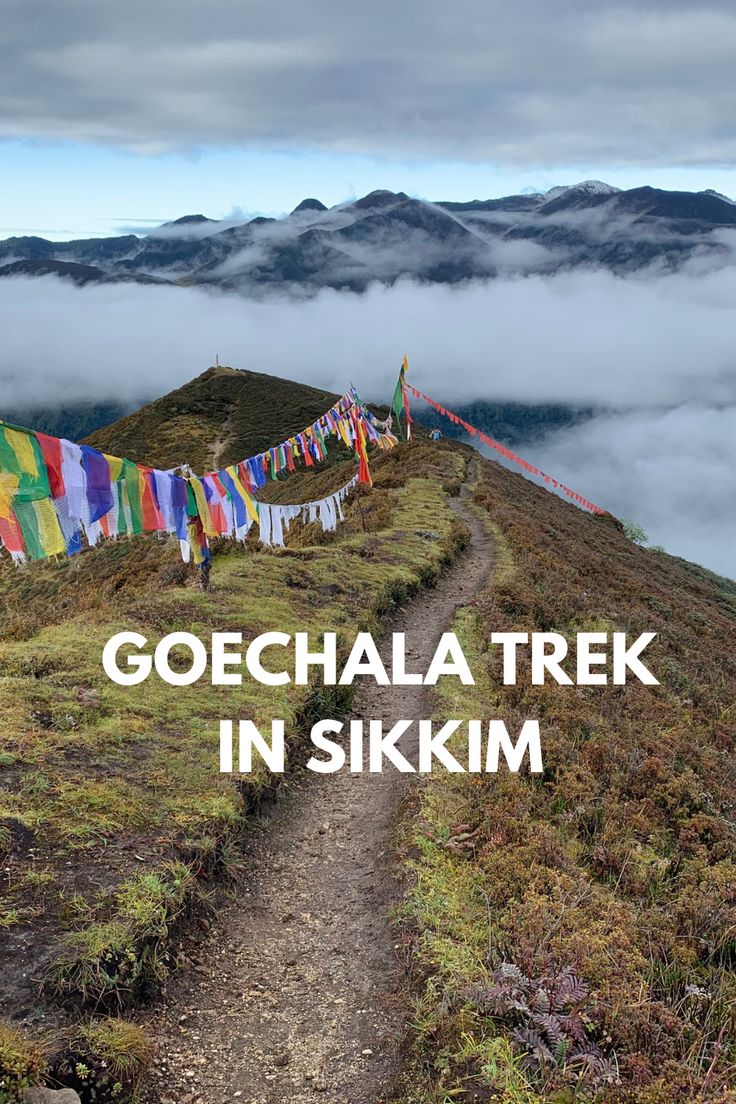
Goechala Trek in Sikkim
Best Time to Trek in the Himalayas
The best time for trekking in the Himalayas depends on the destination and altitude. In general, spring and autumn are popular seasons because they offer relatively stable weather, clear mountain views, and comfortable trekking conditions. Some high-altitude routes may have shorter trekking windows, while lower-altitude trails can be accessible during a wider part of the year. This Himalayan trekking guide covers some of the most memorable routes for adventure seekers.
Spring Season — March to May
Spring brings pleasant temperatures, blooming flowers, and beautiful mountain landscapes. It is an excellent season for many Himalayan trekking routes, especially for travelers who want to enjoy colorful forests and clear views.
Summer and Monsoon Season — June to September
Summer can be suitable for some Himalayan trekking routes, but the monsoon season brings heavy rainfall to many areas. Trails can become slippery and visibility may be limited, so check local weather and trail conditions before planning a trek during this period. Some regions, such as Ladakh, have a different climate and can be more suitable for summer trekking.
Autumn Season — October to November
Autumn is one of the most popular trekking seasons in the Himalayas. The weather is generally dry and clear, making it easier to enjoy spectacular mountain views. Popular routes can be busy during this period, so booking accommodation and trekking services in advance is recommended.
Winter Season — December to February
Winter brings snow-covered landscapes and a magical atmosphere to many Himalayan regions, but high-altitude trekking can become difficult because of freezing temperatures, snow, and challenging trail conditions. If you plan a winter trek, choose a suitable route, check weather conditions carefully, and go with experienced guides when necessary.
Himalayan Trekking Guide: How to Prepare for Your Trek
Proper preparation is essential for a safe and enjoyable Himalayan trekking experience. Before starting your trek, research the route, understand the altitude and difficulty level, prepare your fitness, pack suitable clothing and equipment, and make sure you have enough time to acclimatize.
Build Your Fitness
Start preparing several weeks before your trek with regular walking, hiking, cardio, and strength exercises. Gradually increase your activity level so your body can handle long walking days and steep mountain trails.
Acclimatization and Altitude Safety
Acclimatization is one of the most important parts of high-altitude trekking. Give your body enough time to adjust to increasing altitude, follow your guide's recommendations, stay hydrated, and avoid rushing to higher elevations. If you experience symptoms such as severe headache, dizziness, unusual tiredness, nausea, or difficulty breathing, inform your guide immediately and descend if advised.
Choose the Right Trek
Choose a trek that matches your fitness level, previous trekking experience, available time, and comfort with altitude. Beginners should consider easier routes with gradual elevation gain, while experienced trekkers may choose more challenging high-altitude trails.
Essential Gear for Himalayan Trekking
Packing the right gear can make your Himalayan trekking experience safer and more comfortable. Your equipment should match the season, altitude, weather conditions, and difficulty of your chosen route.
What to Pack
Food, Water and Accommodation During the Trek
Food, clean drinking water, and a comfortable place to rest are important during a Himalayan trek. Many popular trekking routes have teahouses or lodges where trekkers can find meals and basic accommodation. On more remote trails, camping may be necessary, so check what is available along your route before starting your journey.
Food and Hydration
Carry enough water and use reliable water purification methods when necessary. Eat regular, nutritious meals that provide enough carbohydrates, protein, and energy for long trekking days. Keep a few lightweight snacks such as nuts, energy bars, or dried fruit in your daypack.
Teahouses and Camping
Popular trekking routes often have teahouses offering simple rooms and meals, while remote routes may require camping. Accommodation can become limited during busy trekking seasons, so planning ahead or using a reputable trekking company can make the experience easier.
Safety Tips for Trekking in the Himalayas
Himalayan trekking can be an incredible adventure, but mountain conditions can change quickly. Good preparation, responsible trekking, and awareness of your surroundings can help make your journey safer and more enjoyable.For official travel information and tourism resources, visit the Ministry of Tourism, Government of India website.
Responsible and Eco-Friendly Trekking
The Himalayas are home to fragile ecosystems and communities with rich cultural traditions. Trek responsibly by carrying your waste, avoiding single-use plastics, staying on marked trails, respecting local customs, and supporting local businesses. Small responsible choices can help protect these beautiful mountains for future generations.
Leave No Trace
Take all non-biodegradable waste with you, avoid disturbing plants and wildlife, and use designated camping and waste-disposal areas whenever possible. Leave the trail and natural surroundings as you found them.
Estimated Budget for Himalayan Trekking
The cost of a Himalayan trek varies depending on the destination, trek duration, accommodation, permits, transportation, equipment, and whether you hire a guide or porter. Budget-conscious trekkers can choose basic teahouses and local transport, while guided or longer treks usually require a larger budget.
Main Trekking Expenses
7-Day Sample Himalayan Trek Itinerary
A 7-day itinerary can give you a general idea of how a Himalayan trekking adventure may be structured. The actual schedule depends on the destination, altitude, trail conditions, and required acclimatization days.
Day 1 — Arrival and Preparation
Arrive at the starting town or trekking region, organize your gear, and prepare for the trail.
Day 2 — Trek Begins
Start walking through mountain trails and settle into the trekking routine.
Day 3 — Mountain Villages and Scenic Trails
Explore local villages, forests, valleys, and mountain viewpoints.
Day 4 — Acclimatization and Exploration
Take a slower day to adjust to the altitude and explore the surrounding area.