
Hiking in the Alps is an unforgettable adventure, with spectacular mountain peaks, peaceful valleys, alpine lakes, and scenic trails for hikers of different experience levels. Stretching across several European countries, the Alps offer dramatic peaks, peaceful valleys, crystal-clear lakes, and scenic hiking trails. This complete guide to hiking in the Alps will help you discover the best trails to explore, the best time to visit, what to pack, safety tips, and useful information for planning your adventure.
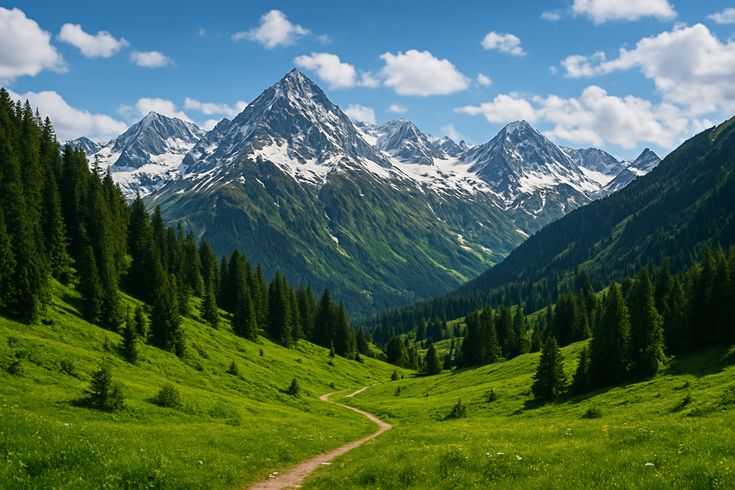
Hiking in the Alps with snow-capped mountains and scenic trail
Why Go Hiking in the Alps?
The Alps are one of Europe's most spectacular mountain regions and offer hiking experiences for every type of traveler. From gentle valley walks to challenging high-altitude routes, hikers can enjoy breathtaking mountain views, alpine lakes, wildflower meadows, traditional villages, and peaceful natural surroundings. Hiking in the Alps is also a wonderful way to experience the landscapes and local culture of countries such as Switzerland, France, Italy, and Austria.
Best Time for Hiking in the Alps
The best time for hiking in the Alps is generally from June to September, when many high-altitude trails are accessible and the weather is more suitable for outdoor activities. July and August offer warmer conditions but can be busy in popular areas. June and September are often excellent choices for hikers who prefer fewer crowds and comfortable temperatures. Lower-altitude trails can also be enjoyable during spring and autumn, depending on local weather conditions.
Best Hiking Trails in the Alps
The Alps are home to some of Europe's most spectacular hiking routes, ranging from scenic day hikes to challenging multi-day adventures. Here are some of the best hiking trails in the Alps for different experience levels.
1. Tour du Mont Blanc
Tour du Mont Blanc is one of the most famous long-distance hiking routes in the Alps. The trail circles Mont Blanc and passes through France, Italy, and Switzerland, offering spectacular mountain scenery, alpine valleys, glaciers, and charming villages. The full route is usually completed over several days and requires good physical preparation.
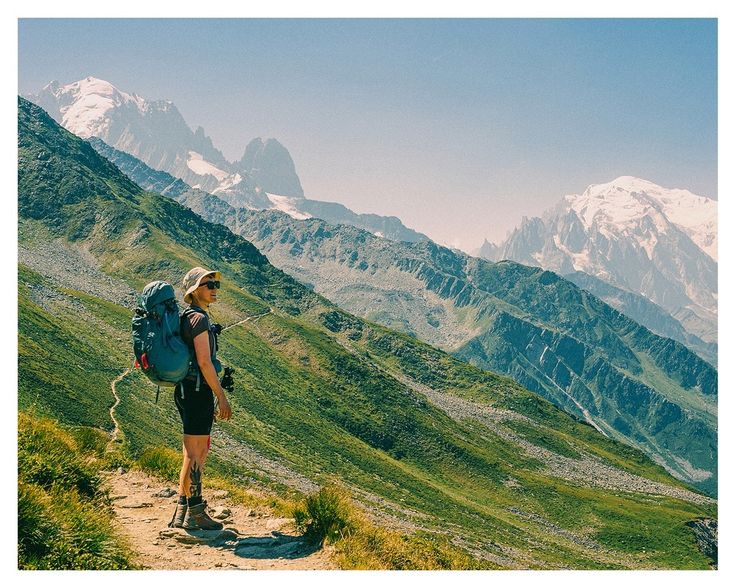
Tour du Mont Blanc hiking trail in the Alps
2. Alta Via 1
Alta Via 1 is a spectacular long-distance hiking route through the Italian Dolomites, known for dramatic limestone peaks, alpine meadows, mountain lakes, and traditional rifugios. The route offers unforgettable scenery and is a great choice for experienced hikers looking for a multi-day mountain adventure.
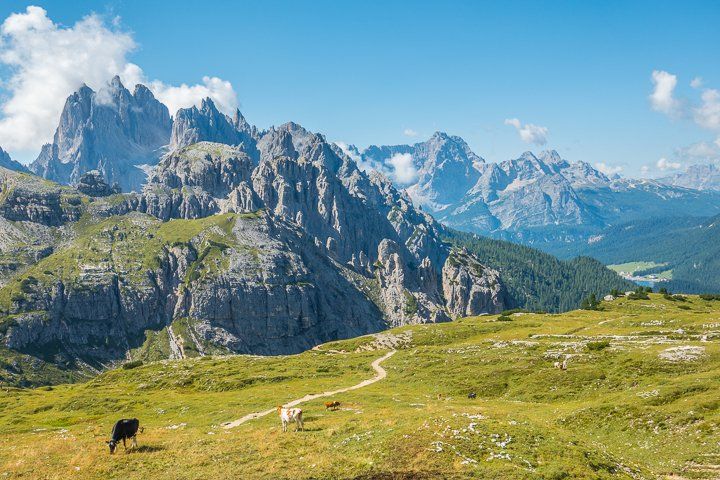
Alta Via 1 hiking trail in the Italian Dolomites
3. E5 Alpine Crossing
The E5 Alpine Crossing is a challenging long-distance route that takes hikers through spectacular Alpine landscapes. The trail is known for mountain passes, green valleys, traditional villages, and dramatic views across the mountains. It is best suited to hikers with good fitness and experience with multi-day trekking.
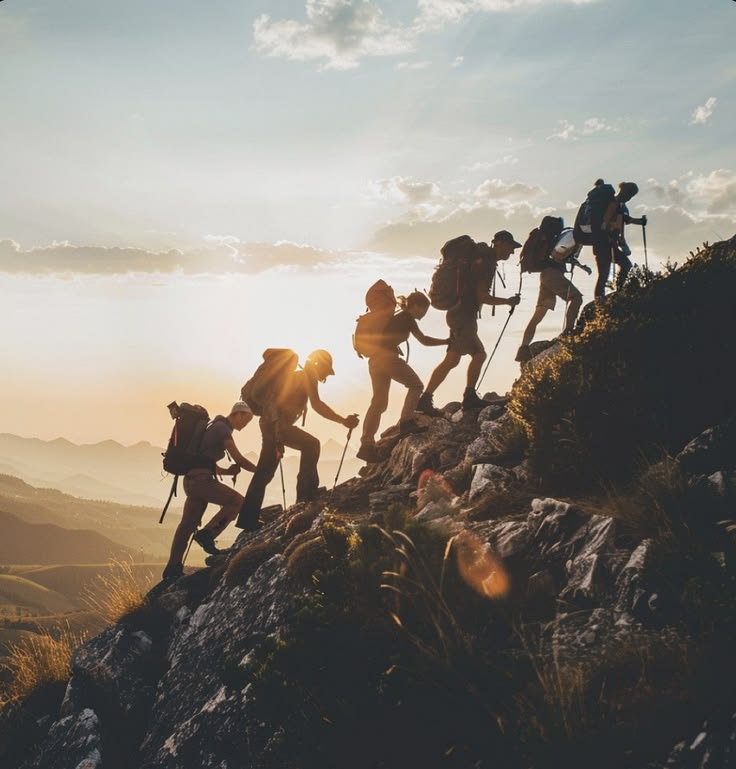
E5 Alpine Crossing hiking trail through the Alps
4. Walker's Haute Route
The Walker's Haute Route is a spectacular long-distance trek connecting Chamonix in France with Zermatt in Switzerland. Hikers can enjoy stunning views of glaciers, high mountain passes, alpine villages, and some of the most impressive peaks in the Alps. This demanding route is best suited to experienced hikers who are prepared for changing mountain conditions.
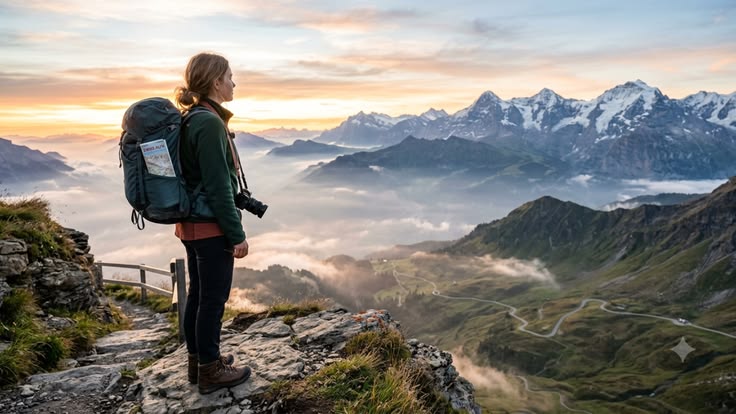
Walker's Haute Route hiking trail from France to Switzerland
5. Stubai High Trail
The Stubai High Trail is a beautiful multi-day hiking route in the Austrian Alps. It takes hikers through impressive mountain scenery, rocky peaks, green valleys, and traditional alpine landscapes. With mountain huts along the route, it is a rewarding choice for hikers who want to experience the beauty of the Austrian Alps.
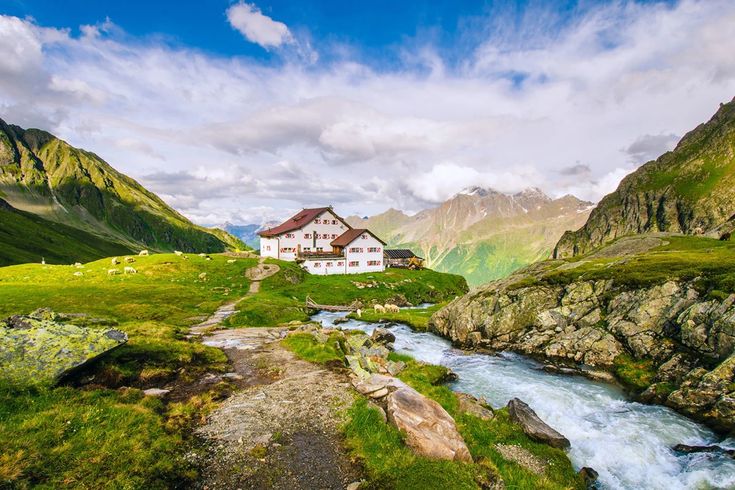
Stubai High Trail hiking route in the Austrian Alps
Trail Difficulty and Duration
The best hiking trails in the Alps vary greatly in difficulty and duration. Some routes are suitable for beginners, while long-distance trails require good fitness, mountain experience, and careful planning. Always check current trail conditions and choose a route that matches your experience level.
What to Pack for an Alpine Hike
Packing the right gear is essential when hiking in the Alps. Mountain weather can change quickly, so hikers should be prepared for sun, rain, wind, and cooler temperatures, especially at higher elevations. Choose lightweight and reliable equipment that matches the length and difficulty of your route.
Safety Tips for Hiking in the Alps
Safety should always be a priority when hiking in the Alps. Mountain weather can change quickly, and conditions can be very different at higher elevations. Before starting your hike, check the weather forecast, trail conditions, and route difficulty. Stay on marked trails and make sure someone knows your hiking plans.For official information about Alpine hiking conditions and mountain safety, check the Swiss National Park website.
Check the weather before starting your hike.
Choose a trail that matches your experience and fitness.
Stay on marked and maintained paths.
Carry enough water and food.
Start early and allow extra time for your route.
Keep your phone charged and carry emergency contacts.
Tell someone about your planned route.
Do not hike alone on challenging or unfamiliar routes.
Follow local mountain and park regulations.
Turn back if weather or trail conditions become unsafe.
Where to Stay During an Alpine Hike
Accommodation options in the Alps range from comfortable mountain hotels and traditional guesthouses to alpine huts and campsites. For multi-day hikes, mountain huts can be a convenient and memorable option, while hotels and guesthouses are ideal for travelers who prefer more comfort. Book popular accommodations in advance, especially during the summer hiking season.
Mountain Huts: Best for multi-day trekking and an authentic alpine experience.
Hotels: Comfortable option in towns and mountain resorts.
Guesthouses: A good choice for local atmosphere and smaller budgets.
Campsites: Suitable for travelers who prefer outdoor stays where permitted.
How to Reach the Alps
The Alps are spread across several European countries, including Switzerland, France, Italy, Austria, Germany, and Slovenia. Major airports and railway networks provide convenient access to many Alpine towns. The best route depends on your chosen hiking destination, so check transportation options before planning your trip.
By Plane: Fly to a major airport near your chosen Alpine region.
By Train: Many Alpine towns are well connected by European rail networks.
By Bus: Regional buses connect towns with mountain villages and trailheads.
By Car: Useful for reaching remote areas, but check parking and local road conditions.
Local Transport: Cable cars, mountain buses, and trains can help reach higher trail areas.
Estimated Cost of Hiking in the Alps
The cost of an Alpine hiking trip depends on the country, trail, season, accommodation, transportation, and length of the trip. Budget travelers can reduce costs by using public transportation, staying in guesthouses or mountain huts, and preparing some of their own meals. Popular resorts and peak summer dates can be considerably more expensive.
Accommodation: Budget guesthouses and campsites can help reduce costs.
Mountain Huts: Prices vary depending on the location and services provided.
Food: Grocery shopping and simple meals can be more affordable than restaurants.
Transport: Public trains and buses can be economical for reaching trailheads.
Activities: Some cable cars and mountain attractions require additional fees.
Responsible and Sustainable Hiking in the Alps
The Alps are a fragile natural environment, so responsible hiking helps protect their landscapes, wildlife, and local communities. Travelers can reduce their impact by staying on marked trails, avoiding litter, respecting wildlife, and supporting local businesses. Small responsible choices can help keep the Alps beautiful for future generations.
Stay on marked hiking trails.
Take all rubbish with you.
Avoid disturbing wildlife and plants.
Respect local communities and traditions.
Use reusable water bottles.
Choose public transportation when possible.
Support local restaurants, guides, and accommodations.
Follow local park and mountain regulations.
Frequently Asked Questions About Hiking in the Alps
Conclusion
Hiking in the Alps is an unforgettable way to experience some of Europe's most beautiful mountain landscapes. Whether you choose a scenic day hike or a challenging multi-day trail, careful planning can make your adventure safer and more enjoyable. Choose the right route for your experience, prepare for changing weather, respect the natural environment, and take time to enjoy the incredible scenery along the way.